
Thank you for working on your child's safety
Enjoy your 20% off special

"Do you want
YOUR child to be SAFE?"
"Safety with strangers (and other people) in a positive way"
Online course for parents of kids 3-10 years old
You didn't plan on a safety course, right?
Maybe it's too overwhelming to even think about it. We get it. We are parents too.
But you're here for a reason. You want to prepare your kid.
And you're an amazing parent!
Here's the thing. Most parents think if nothing's happened, it won't. So they don't prepare. And kids stay helpless when trouble finds them.
By then, it's too late.
You can teach your child to be safe
Or, you can keep worrying about your child being harmed without you knowing.
Most trouble happens WHEN PARENTS ARE NOT AROUND.
Stop worrying - empower your child instead.
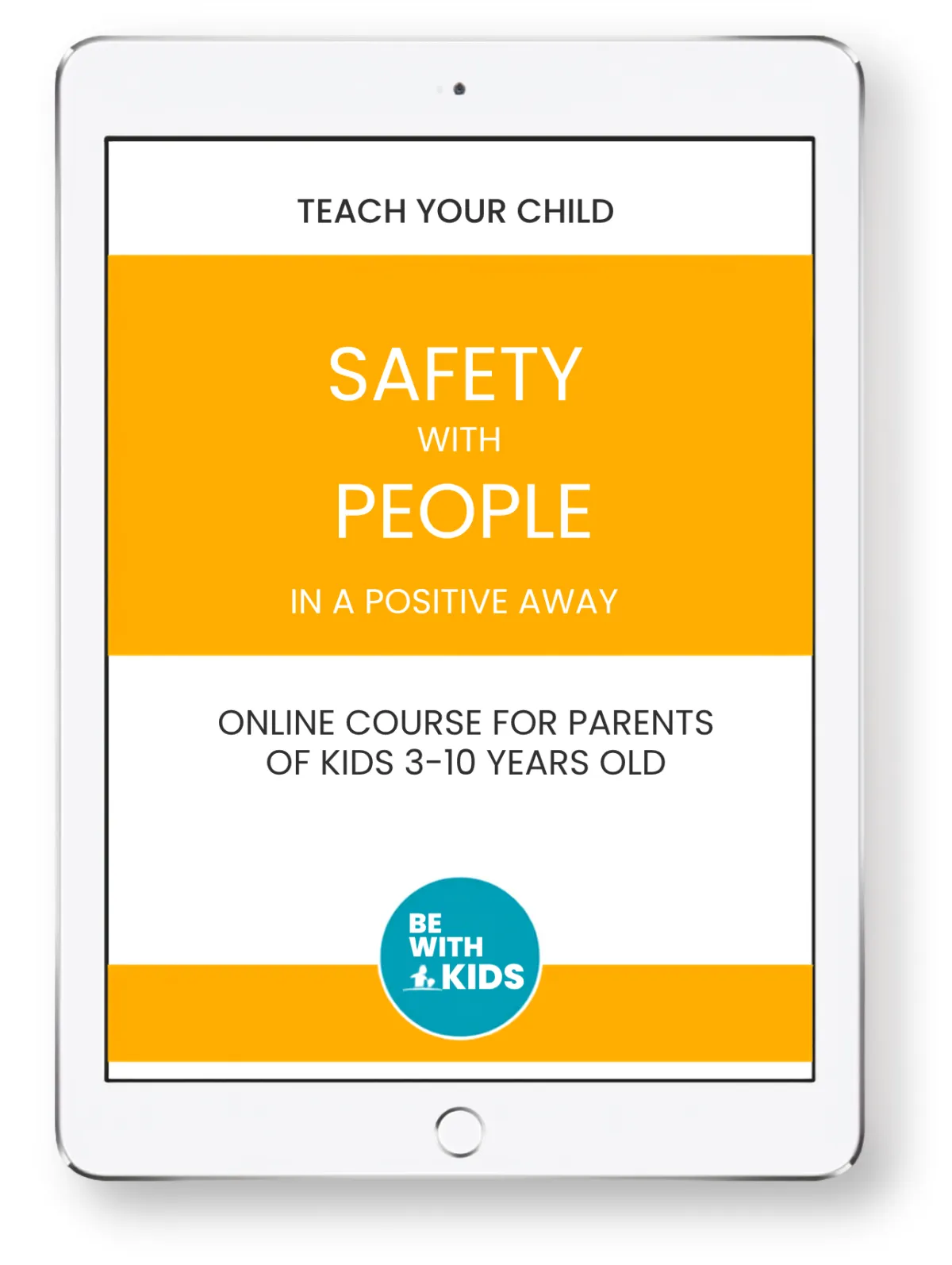
A modern perspective on teaching safety
A system that works WITH kids
This training is different in a big way
Positive - no scary stories or methods. We build confidence.
Play-based - kids understand AND remember it.
Practical - you can teach it, and they can apply it in real life.
"This is worlds better than the usual "teach your kids to fear everything" safety resources." - Liz T., mom
How it works
You'll have examples of conversations
You'll teach danger awareness, but kindness, at the same time
You'll teach by experience and involvement - so that skills stick forever
You will see your child's safety from a new perspective!

As a result:
1. You will build your kids' confidence to handle a dangerous situation.
2. You will help them be responsible for their safety and make wise decisions when you are not around.
3. You will become less worried and more confident yourself:
What parents say
"Well, instead of dreading teaching this subject, I am now looking forward to starting it.
You're explaining things in a way that makes more sense to me than other resources I've read, and I can see how these methods can work for our family.
Some safety books I've looked through have felt so aimed at either scaring the kids or creating a very punitive family environment that I had a hard time seeing how they would fit into our family's dynamic." Liz T., mom
The Program
This is not self-help or parenting advice. It’s like a math class, but with a focus on safety. It will work for different parenting and learning styles.
Module 1. The Foundations for Kids

Who is the stranger, and whom kids can trust (one formula to eliminate all grey areas predators sneak into)
How kids can communicate with strangers safely if they need to (when you are around and when by themselves)
How to figure out when a stranger is NOT safe (+ an extensive list of red flags and common scenarios most parents don't even know exist)
How to use inner alert signals (and not to mix them with anxiety)
What kids need to do if they feel unsafe (and no one is there to help)
What kids can do if other kids break safety rules (and not be teased or left out for ruining the fun)
2. Safe communications with strangers

How to make sure nobody forces your child to keep a secret from you (common techniques and verbal cues predators use to threaten, groom, and control - that your child needs to know to recognize).
How to instill the habit of sharing plans and asking permission instead of running off or disappearing from your radar (+ what to do so they never sneak out in their teens).
How kids should behave if someone pretends to know them (+3 types of family passwords you need to have with your kids)
What to do with outgoing kids who are talking too much (without shutting them off in fear)
Internet safety with strangers (+ most common backdoors to your child's safety if you rely on your kid's maturity or trustful relationships with you - "I can check their phone at any time. They tell me anything" mistakes)
Sexual safety with strangers and people kids "kinda-know" (+ predators in public places, playgrounds, people flashing on kids, etc.)
Module 3. Strangers to avoid

How to figure out when a stranger is a tricky person (apart from asking for help and asking to keep a secret)
What to do if a stranger is asking your child for help (including other kids and elderly people)
When and how kids can help safely
Eight situations that should alert you and your child
What to do if a stranger claims to be sent by the parents (and if this is true)
Emergency plan in case something happens to one or both parents (or other family emergency)
Module 4. If a person becomes dangerous

How to figure out when a situation becomes dangerous, and it's okay to break the rules and social norms (+ levels of alertness and readiness)
What kids should (and realistically can) do in case someone is using force against them
Module 5. Fighting dirty - kids self-defense

How to give your kids permission to defend themselves (+how to make sure they will be playing a leading role in saving themselves)
What a child should do to attract attention so it does not look like a tantrum (how to address the right person and make sure they do the right thing and not shy away)
How to call for help to get it (how to establish the contact and break the contact if necessary, how to enlist helpers, how to guide them in what you need)
How to get out if you cannot get help (if nothing else scenarios)
Self-defense kids can use against adults (including unfair techniques)
Can you imagine your child trying to figure out all these things on his own?
OR will you help him?
Simple Three Safety Steps process
Prevent
Teach "red flag" awareness without instilling a fear of ALL people.
Avoid
Warn kids about bad people without taking away their friendliness to the good ones.
Fix
Teach tools to use in case of assault, abuse, or when you are not around to protect them.
What professionals working with kids say

Hands down, the "games" at the end were fantastic!
I felt more armed with knowledge of how to equip my kids better to deal with strangers and their feelings.
You're doing a great job! I'm learning SO MUCH about my attitude, my beliefs, and what MORE I should be doing for my kids, THANK YOU!" - Laura Richards, Mum of two and Founder of Laura's Wee Lambs, Childminding Service
Why is this program better than anything you have seen?
Positive - gain confidence and not scare your kids
Play-based - kids will remember it
Practical - use in real life
Designed for busy moms and dads:
Kids age-appropriate explanations
Hands-on games
Quick lessons
Conversation scripts and examples
Recommendations for special situations
Tips on how to avoid mistakes
Positive approach – because nobody needs more fear!
What parents say
"I love how you are reassuring to the parent!" Apple, mom
How this training was created:
We help parents teach kids safety. Positive and hands-on.
We couldn't find a curriculum that empowered kids, so we built one.
Dozens of safety pros contributed: first responders, doctors, law enforcement, psychologists, therapists, firefighters, rescue teams, rangers, animal control officers, martial arts instructors, and more.
Now we're sharing it.
Our lives got easier. Yours can too!
What parents say:
"I love the reassuring and confident tone you take in the modules.
You are not tearing me down or telling me I've been doing everything wrong. Instead, you're giving me other viewpoints to consider and other tools to try." Liz T., mom
What parents say:
"The biggest is the realization that I should not be trying to teach him specific step-by-step reactions for every potentially unsafe situation, but that I should be working more on helping him develop his skills and intuition so he can react safely even in situations we've never discussed." Liz T., mom
Frequently Asked Questions
How the classes are delivered?
Once enrolled, you receive an email with the link for immediate access to the lessons and games at your account on Be WITH Kids School website.
We will also meet inside a private community to discuss any questions you may have
How long does it take?
Each lesson is 1-3 minutes to read. In total, it’s about 3-hour class.
Games are 5 minutes each and you can do them at any time and environment. No preparation, supplies, or cleaning is required.
Whom is this training not for?
This training is not suitable for parents who prefer to rely on teachers and are unwilling to take an active role in teaching their children safety.
This training is designed for parents who are willing to teach their child, as it is not suitable for use alone by the child.
This training will not work if your child is in an unsafe environment. Please seek help locally.
This training will not work if your child is being physically or emotionally abused, groomed, or stalked. Please seek help locally.
What parents say:
"I completed "Safety with Strangers" course and absolutely loved it!!
Before I started, I had so many questions about how to approach the subject with my kids because I didn't want to scare the life out of them - I'm already scared enough by it!
By the end, though, I had the confidence and knowledge to go through these topics one at a time with my kids, in a meaningful and logical way.
My favorite parts were the games included at the end of the modules. They really helped understand the way to teach these things to my kids in a tactile, sort-of real life way so they would retain the 'what to do if...' mentality.
I think the biggest benefits of the course are:
(1) the fact that the instructors are parents and know their stuff really makes it easy to follow along and be truly supported along the way, and
(2) there are several different topics that I can almost promise you've never thought about until really digging into how to keep your child safe by prevention.
I definitely recommend this program to all moms who want to make their kids knowledgeable and capable of keeping themselves safe!!", Stella, mom of 3

PRICING
Safety with People Level 1
independent learner
$100 ($125)
$125
5 modules for parents
45 games for kids
Community support
One time payment - forever access

What parents say
How do you feel about your fears now after using this module? "Fears are normal but I can choose not to pass them on to my child. Just because I'm afraid of something doesn't mean my child needs to be - I can teach her how to react in instances."
What are the new things you've learned? "Repetition is key to getting a response in stressful situations. Talking about something once or watching a video isn't going to get an automatic reaction when kids are tested with stressful situations."
What did you find most helpful? "That I don't have to pass along my fears - i can educate my child on what responses are appropriate in situations. The examples of the stories and examples to say when talking about them with my child." - Missy, mom
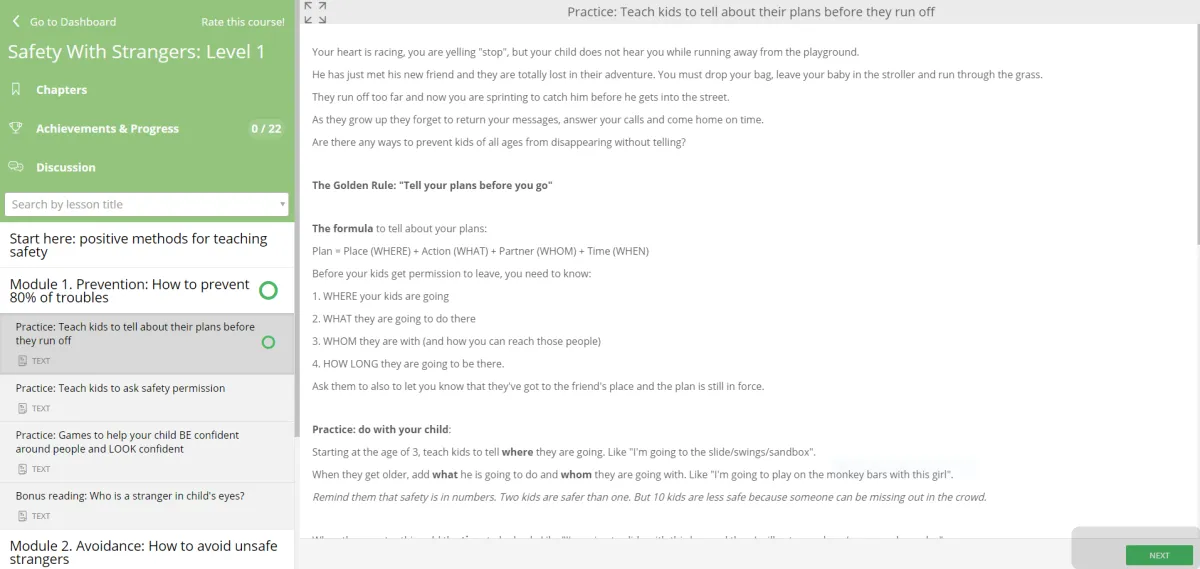
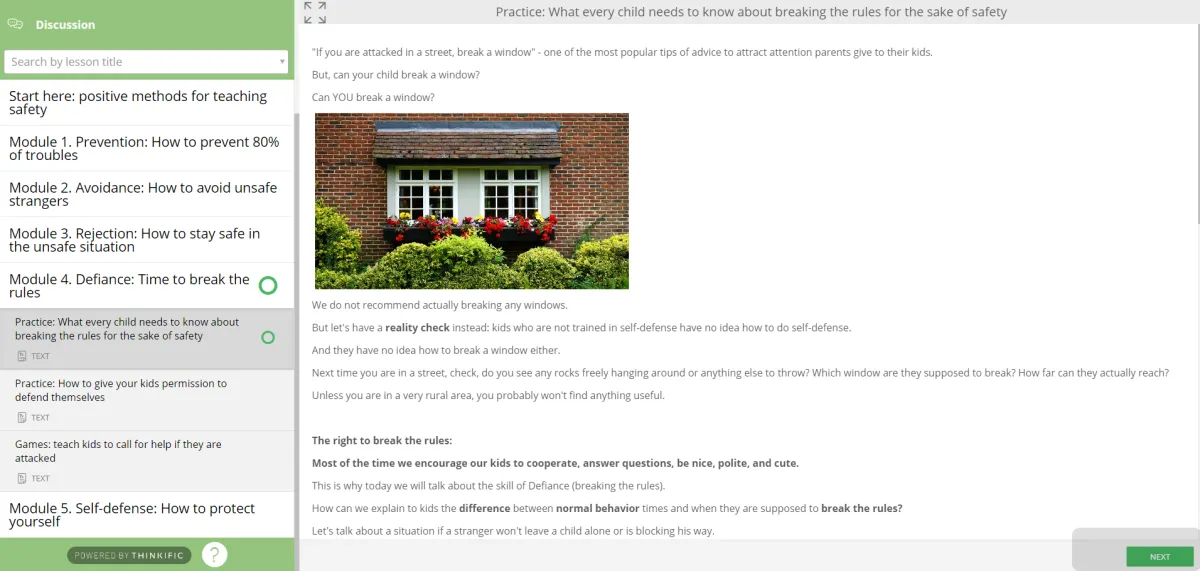
How the training looks inside your student dashboard
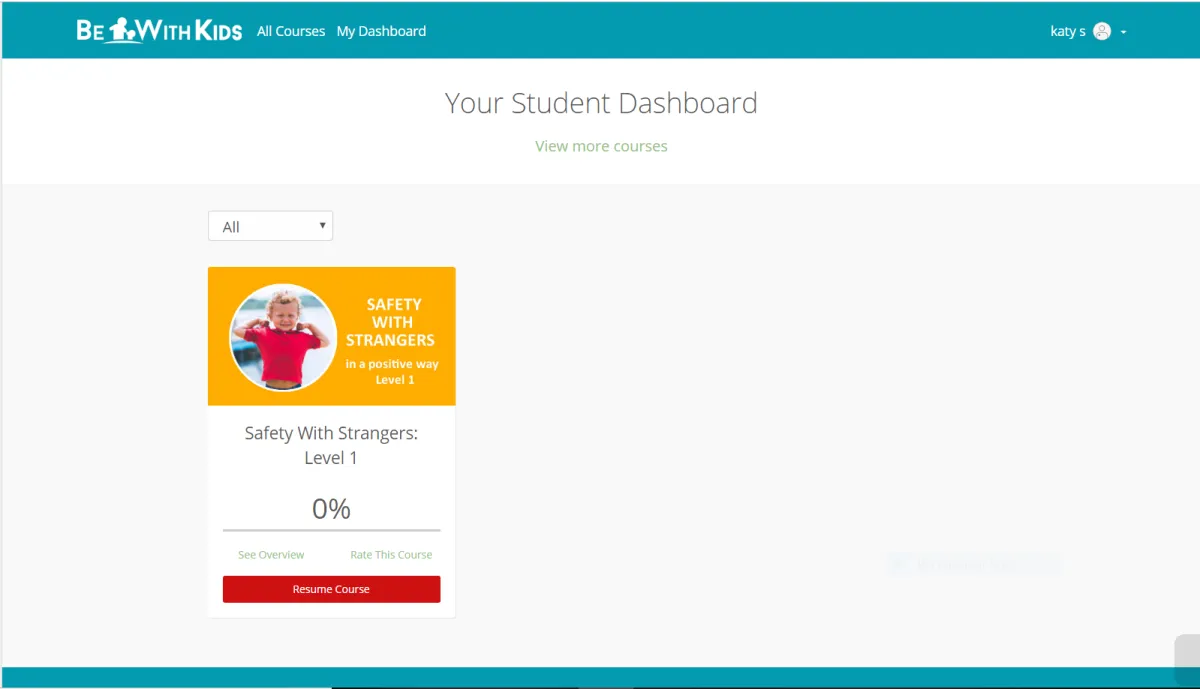
Inside modules
Practice, games, conversation scripts, and implementation tips
Inside lessons
Practice, games, conversation scripts, and implementation tips
"I love the content so much that I feel like a bad parent since I have not taught my kid this yet." Sophia Koulaskis, mom
What parents loved the most...

I love the approach of this training:
“Fear does not live at a well-lit place, full of knowledge and confidence.
Safety starts at home, fear starts at home too.
You choose if you would like to keep your fear and pass it to your kids or make it work for you and them.”
— Esther, mom

“I loved the games for teaching kids to say "No", and how to end the conversation.
We're always nagging at them to speak to people and say "please" and "thank you", but never about how to shut down someone that's invading their space in an inappropriate way.”
— Stella, mom
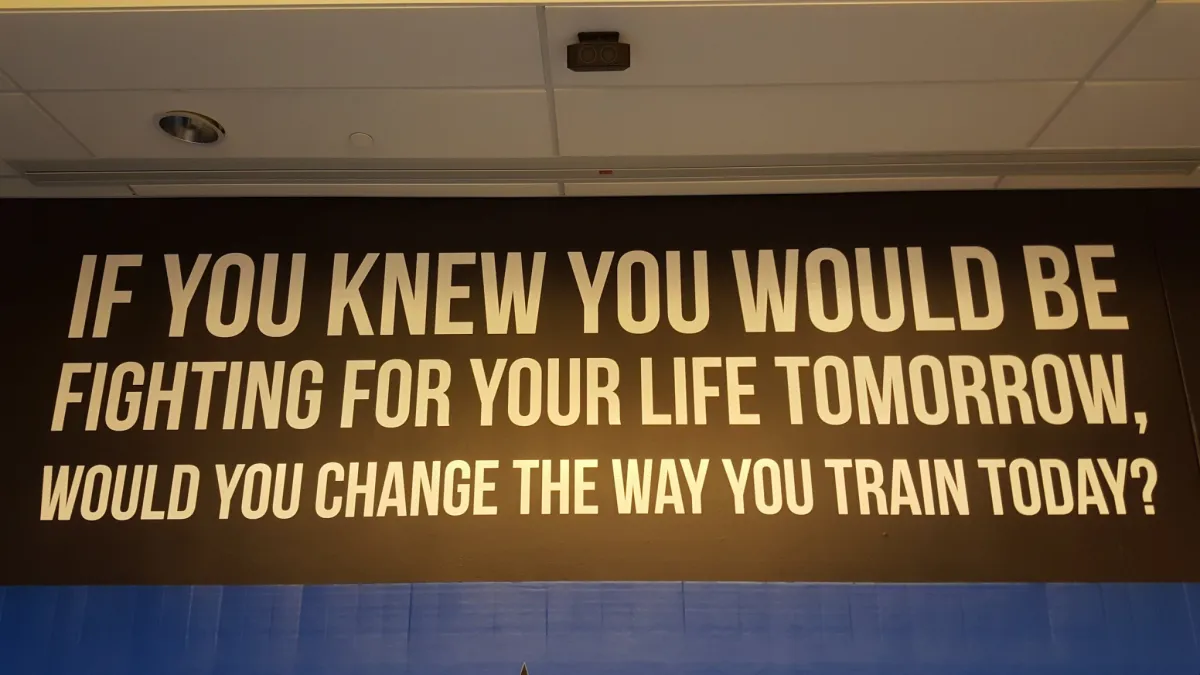
This is in the gym in a law enforcement department:
This is the last call:
Don’t wait.
It might be too late.